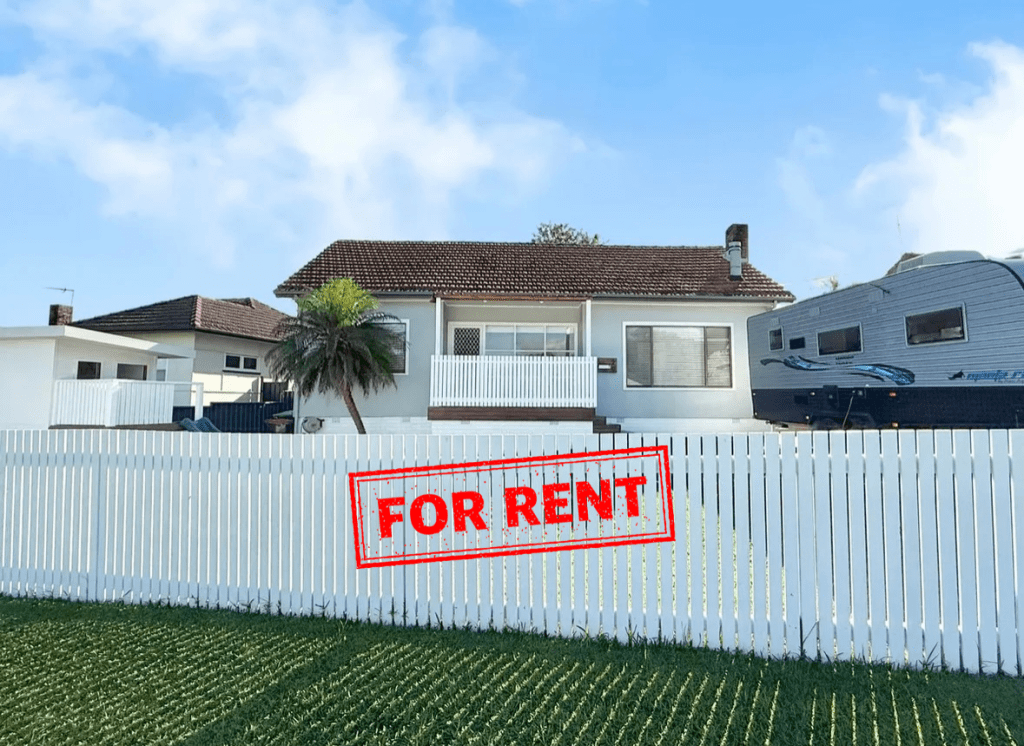
We are renting out our family home for the second time, so there are a few things we’ve learned through experience.
Coming home to Newcastle NSW after we did “the lap” of Australia, 34 weeks pregnant with our second child on Easter Sunday to our house being trashed, was a learning moment in itself.
We said we wouldn’t rent our family home again, but here we are — now regretting our choice of cream carpet. But for us, the pros of renting out the house rather than leaving it just sitting there far outweigh the risks.
The last day in our house before we move out is the 27th of June so speaking from experience, these are the current steps for renting out your home in NSW in 2025.
Step 1: Decide If Renting Out Is Right for You
- Consider your financial and lifestyle goals — this is the biggest one. What can you gain from renting? It’s definitely something to consider as a way to help pay some of your mortgage while you’re travelling (or if your home is positively geared) it can offset costs and give you a bit of extra pocket money each week.
- Long-term vs short-term — explore options such as listing via real estate, Airbnb, or fixed-term lease agreements. Each has pros and cons depending on your travel plans, risk tolerance, and how involved you want to be.
- House sitters – we were really considering a house sitter once away for the duration of our travels, but our final thought was if we weren’t coming back to the house for over a year, we’d trust someone to stay AND pay rent!
- Emotional readiness — are you okay with someone else living in your space? For me, it helps fund our travels so the the pros far outweigh the cons.
➡️ Tip: Write a pros and cons list for each option — there’s nothing like going back to basics to help make a clear decision.
Step 2: Choose How You’ll Manage It
- Self-manage vs Property Manager- For us, we’ve been using local property management companies since 2018. Since we have more than one rental property, we get a discounted rate of 6%. Engaging a property manager leaves most of the next steps to them to organise so we get to spend more time as a family enjoying our travels rather than doing boring admin and following these things up.
Step 3: Get Your House “Rental Ready” (1 Month Before You Leave)
- Engage your real estate agent – they’ll come and inspect your home and let you know if there’s anything that needs tidying or fixing before leasing the property. They’ll also do a rental assessment where they compare other local properties in the area. This gives you a price guide for what your house is worth in rent per week. They will also organise:
– Water usage inspection — rental properties must meet specific efficiency standards. This includes:
💧efficient taps/showers (low-flow aerators)
💧A working dual-flush toilet
💧A statement under the Water Efficiency Labelling and Standards (WELS) scheme
You’ll need this for tenants to be billed for water usage.
– Smoke alarm inspection— smoke alarms must be annually checked and compliant.
– Marketing photos — the real estate agent will send their photographer (some, like ours, even include video and 360° virtual tours!).
- Fix anything broken — This is something the real estate can bill you for or you can arrange it yourself. Make sure your home is functional. Think leaky taps, broken windows, door handles etc.

Step 4: Set Your Rent and List
- List the property for rent– The agent will handle:
🏡 Listing on Domain.com.au, RealEstate.com.au etc.
🏡 Uploading professional photos
🏡 Writing the description (proof read the blurb to check that it includes key features and recent upgrades).
- Share with friends and family — a personal recommendation from someone you trust is gold.
- Open home — once the advertisement is live, the real estate agent will arrange a few open homes. Ours were spaced a few days apart (although we were lucky enough to have chosen our tenant after the first one). The inspections lasted about 20 minutes. You can choose to attend, or not. We did the sneaky “drive down the road trick” because we wanted to see how many people came, their thoughts, and if anyone seemed dodgy haha

Step 5: Protect Yourself
- Declutter and store personal or sentimental items- this is the perfect time to do a big clean-out! We stored our valuables away before the open home incase anyone had different intentions.
- Update your home insurance — make sure it includes:
✔️Landlord protection
✔️Public liability
✔️Loss of rent
✔️Tenant damage
Some insurers also cover malicious damage, missed rent, or legal fees — highly recommended!

Step 6: Set Up for a Smooth Handover
- Sign the lease agreement – Once you’ve chosen your tenants, the real estate agent will have them sign the lease and pay the bond deposit— then you sign your part and its official!
- Sell, store, bin – Use Facebook Marketplace to sell items you no longer have a need for, or like me, set up a local second hand market stall to sell your belongings. Look at storing your items on your property before paying for a storage unit. We are using our garage and as part of the lease agreement the tenants don’t have access to this space. Order a “dump ticket” (as we call it here in Newy), this way you can take all of your rubbish to the dump rather than try squeeze it in your rubbish bin.
- Look at hiring a cleaner — this is where the elbow grease comes in. Leave the house how you’d want to come back to it. The cleaning companies call it an “end of lease” clean which usually includes the basic floors, bathroom, oven, windows ect.
- Key handover – The real estate will request three sets of keys; two for the tenants and one for themselves.
- Rent Collection- The agent will manage this and transfer it to your account weekly, fortnightly or monthly (depending on your preferences).
- Maintenance- The agent will organise repairs, handle any issues, and liaise with the tenant. (Its actually reasonable pricing from trades)
- Inspections- Routine inspections are done every few months. You’ll get sent reports and photos. You can choose to attend if you like.
- Legal Compliance- The real estate will ensure you meet all tenancy law requirements in your state.
- Ongoing Communication- They’ll keep you updated on property performance, rent arrears, repairs, and anything else relevant.

Final Thoughts
Renting out your home is a big deal — and it can feel overwhelming — but with a little planning, it can fund part of your adventure or at least prevent you from digging into your savings more than what you might need to.
I hope this guide helps anyone who’s looking to rent their home out for the first time or refine the process. Let me know if you are currently packing up to travel and where you are off too!
If you’re looking for a simple checklist to help you pack your caravan for your next adventure, I’ve created a printable checklist to make sure you don’t forget anything and are adventure ready- Download your free van life packing checklist here!
Happy memory-making everyone!
❤ Britt
Instagram: @roam_n_round
Facebook: roam n round
 Roam N Round
Leave a comment